Managing property claims that require structural repairs, water damage restoration, or fire remediation? Here's what insurance adjusters and policyholders need to know about working with qualified contractors for insurance-covered restoration work in eastern North Carolina.
A pipe burst while your policyholder was on vacation, flooding two bathrooms and a hallway. Hurricane damage compromised the roof structure requiring extensive repairs. A kitchen fire created smoke and structural damage throughout the home. Workers' compensation approved home modifications after a workplace injury left an employee wheelchair-bound.
These insurance claims require qualified contractors who understand both construction requirements and insurance processes. Policyholders need contractors who can work within insurance scopes, document work properly, and communicate effectively with adjusters. Adjusters need contractors who provide accurate estimates, complete authorized work without scope creep, and deliver quality results preventing future claims.
Let's explore what makes insurance restoration work different from typical construction, how to ensure smooth claims processing, and what both adjusters and policyholders should expect from qualified contractors.
Understanding Insurance Restoration vs. Standard Construction
Insurance restoration projects operate under different parameters than typical remodeling or construction. These differences affect timelines, documentation, scope management, and payment processes in ways that contractors without insurance experience often mishandle.
Scope adherence matters critically in insurance work. Adjusters authorize specific repairs based on damage assessments and policy coverage. Contractors must complete authorized work without expanding scope beyond approval, while also identifying additional damage requiring supplemental authorization before proceeding.
Documentation requirements exceed typical construction projects. Insurance work requires detailed photo documentation of damage before repairs, progress photos during construction, completion photos after work, itemized invoicing matching estimates, and sometimes material receipts or other supporting documentation.
Payment structures differ from standard construction where clients pay contractors directly. Insurance work might involve assignment of benefits where insurance pays contractors directly, policyholder payment with insurance reimbursement, or three-party checks requiring endorsements from policyholders, mortgage companies, and contractors.
Timeline sensitivity increases because policyholders often cannot fully occupy damaged properties until restoration completes. Delays extend displacement, increase additional living expense claims, and create policyholder dissatisfaction affecting insurer relationships.
Common Insurance-Covered Projects in Eastern NC
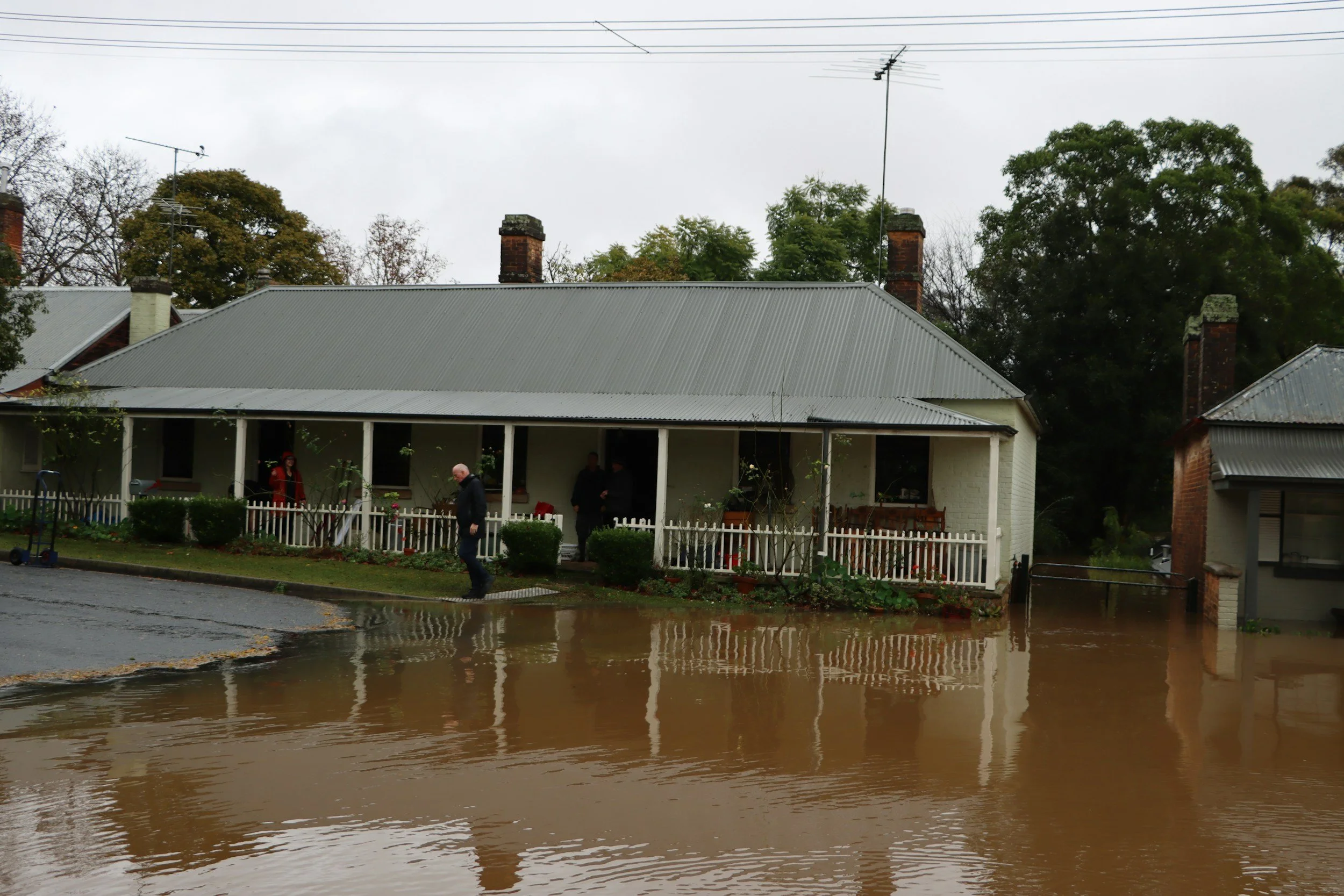
Water damage restoration represents one of the most frequent insurance claims in eastern North Carolina. Burst pipes, roof leaks, appliance failures, and flooding create damage requiring rapid response and thorough remediation. These projects typically involve water extraction and drying, damaged material removal (drywall, flooring, insulation), structural drying and moisture monitoring, mold remediation if growth occurred, and reconstruction of removed materials.
Eastern NC's humid climate makes thorough drying essential. Inadequate moisture removal creates mold problems that generate additional claims and health concerns. We use commercial dehumidifiers and moisture meters ensuring complete drying before reconstruction.
Storm damage from hurricanes, severe thunderstorms, and winter weather affects roofing, siding, windows, and sometimes structural elements. Coastal areas of Craven County and other eastern NC counties face particular hurricane exposure requiring experienced storm damage contractors.
Fire and smoke damage requires specialized remediation beyond standard construction. Smoke odor, soot damage to surfaces, and heat damage to structural elements need expert assessment and remediation. Kitchen fires represent common claims we handle regularly.
Workers' compensation home modifications after workplace injuries create accessibility needs. These claims require different documentation than property damage but similar insurance coordination processes. We work with patient care coordinators, case managers, and workers' comp adjusters on bathroom accessibility, ramps, and other modifications.
Vandalism and break-in repairs including door and window replacement, drywall repair, and security improvements sometimes require rapid response restoring security before completing cosmetic repairs.
Working with Insurance Adjusters
Professional adjusters appreciate contractors who understand claims processes and work collaboratively rather than adversarially. Our approach focuses on transparent communication and documentation supporting fair claims resolution.
We provide detailed estimates itemizing all work with descriptions matching insurance estimating software standards (Xactimate, others). Line-item clarity allows adjusters to review and approve specific work elements rather than dealing with vague lump-sum bids.
Supplement requests for additional damage discovered during work include detailed documentation with photos showing why additional work is necessary, specific descriptions of additional damage, itemized costs for supplemental work, and explanation of why damage wasn't visible during initial assessment.
We understand that adjusters must verify work necessity and protect against inflated claims. Providing thorough documentation and transparent communication helps adjusters approve legitimate supplements efficiently.
Communication responsiveness matters. Returning adjuster calls promptly, providing requested information quickly, and coordinating inspection scheduling demonstrates professionalism that facilitates claims processing.
What Policyholders Should Expect
If you're a homeowner dealing with insurance claims requiring construction work, understanding the process helps manage expectations and avoid frustration.
Initial damage assessment should happen before any repairs beyond emergency stabilization. Insurance adjusters need to document damage before contractors remove damaged materials. Starting repairs prematurely can complicate claims and create coverage disputes.
Emergency mitigation to prevent additional damage is typically approved immediately. This includes water extraction, temporary tarping of damaged roofs, board-up of broken windows, and securing damaged properties. These emergency measures prevent damage escalation while detailed estimates and approvals proceed.
Estimate review and approval takes time. Adjusters must review contractor estimates, verify coverage, calculate depreciation and deductibles, and issue authorization. This process typically takes 3-10 days depending on claim complexity and adjuster workload.
Work begins after authorization, not immediately after damage occurs. Policyholders sometimes expect instant repairs, but insurance processes require documentation and approval before construction starts.
Payment timing varies by policy and situation. Some insurers pay depreciated actual cash value initially with recoverable depreciation paid after work completion. Others pay replacement cost upfront. Understanding your specific policy's payment structure prevents cash flow surprises.
Eastern NC Regional Considerations
Plank Construction serves Pitt County, Craven County, Beaufort County, Lenoir County, and surrounding eastern NC communities. Our regional familiarity helps insurance restoration projects proceed smoothly.
Hurricane exposure in coastal counties means we have extensive experience with wind and water damage common to eastern NC. We understand local building codes for storm-resistant construction and flood zone requirements affecting repairs.
Manufactured housing represents significant portions of eastern NC housing stock. These structures require specialized repair approaches differing from site-built homes. We have experience with manufactured home insurance repairs that many contractors lack.
Rural properties on wells and septic systems face unique considerations when water damage affects plumbing systems. We understand these complications and factor them into repair planning and estimates.
Local permit requirements vary across jurisdictions. Greenville, Pitt County, New Bern, and various municipalities have different permit processes, fees, and requirements. Our familiarity with these local regulations prevents permit-related delays.
Timeline Expectations for Insurance Projects
Understanding realistic timelines helps both adjusters and policyholders plan appropriately for displacement and restoration completion.
Emergency mitigation happens immediately, typically within 24-48 hours of damage occurrence. Water extraction, emergency tarping, and property securing prevent additional damage while detailed assessment and authorization proceed.
Damage assessment and estimate development takes 3-7 days from initial contact. This includes thorough property inspection, moisture testing for water damage, detailed photo documentation, and comprehensive estimate development.
Insurance review and authorization typically requires 3-10 days after estimate submission. Complex claims or coverage questions may take longer. Adjuster responsiveness and claim complexity affect this timeline significantly.
Permitting for structural repairs takes 5-10 business days in most eastern NC jurisdictions after estimates are approved. Emergency permits for health and safety issues process faster.
Construction duration varies by project scope:
Water damage restoration: 1-3 weeks after drying completion
Bathroom reconstruction: 2-3 weeks
Kitchen fire damage: 3-4 weeks
Roof repairs: 3-7 days for standard work, longer for extensive damage
Multi-room restoration: 4-8 weeks depending on scope
Total timeline from damage occurrence to completion typically runs 4-10 weeks depending on project complexity, insurance authorization speed, and construction scope.
Documentation Best Practices
Thorough documentation protects all parties and facilitates smooth claims processing.
Pre-repair documentation includes comprehensive photos of all damage from multiple angles, moisture readings for water damage, detailed written descriptions of damage observed, and sometimes video walkthroughs for extensive damage.
Progress documentation during construction shows work proceeding according to authorized scope, reveals any supplemental damage requiring authorization, demonstrates quality workmanship, and creates records protecting against future disputes.
Completion documentation includes final photos of all repaired areas, itemized invoicing matching approved estimates, material receipts when required, permit final inspection certificates, and warranty information for materials and workmanship.
We maintain organized project files with all documentation readily accessible for adjuster review or policyholder records.
Handling Supplemental Damage Discovery
Discovering additional damage during repairs is common, particularly for water damage where full extent isn't visible until damaged materials are removed. Proper supplement handling prevents disputes and delays.
We stop work immediately when discovering damage beyond authorized scope and document newly discovered damage thoroughly with photos and descriptions before proceeding.
Notification to adjusters happens promptly, typically within 24 hours of discovery. This allows adjusters to inspect additional damage, verify coverage, and authorize supplements before work continues.
Supplement estimates itemize additional work with clear descriptions explaining why it's necessary and why it wasn't visible during initial assessment.
We don't proceed with supplemental work until receiving authorization, protecting both ourselves and policyholders from coverage disputes.
Managing Policyholder Expectations
Insurance claims create stress for homeowners dealing with property damage, displacement, and financial uncertainty. Clear communication helps manage expectations and reduce stress.
We explain insurance processes including authorization requirements, payment structures, and timeline expectations. Many policyholders haven't previously filed claims and don't understand how insurance restoration works.
Realistic timelines prevent disappointment. When policyholders expect immediate repairs, explaining authorization and permit requirements helps them understand unavoidable delays.
Coverage limitations sometimes mean policyholders must pay portions of repairs not covered by insurance. Early discussion about deductibles, coverage limits, and potential out-of-pocket costs prevents surprise and financial problems.
Quality workmanship assurance helps policyholders feel confident in repairs. We explain our processes, materials used, and warranties protecting their investment.
Working Within Policy Coverage
Understanding insurance policy coverage helps set appropriate scope expectations and prevent disputes.
Actual cash value policies pay replacement cost minus depreciation. Policyholders must understand they'll receive depreciated values unless policies include recoverable depreciation provisions paid after repair completion.
Replacement cost policies pay full replacement without depreciation but often require completing repairs to receive full payment. Initial payments may be depreciated with remainder paid after completion verification.
Coverage limitations for certain perils, materials, or amounts affect what work insurance authorizes. We work within these limitations while ensuring quality repairs.
Matching existing materials sometimes presents challenges when damaged materials are discontinued. We work with adjusters to identify appropriate equivalents meeting insurance requirements while matching property aesthetics.
Why Choose CAPS-Certified Contractors for Accessibility Claims
When insurance claims involve accessibility modifications after injuries, CAPS (Certified Aging-in-Place Specialist) certification ensures contractors understand accessibility requirements beyond basic code compliance.
Workers' compensation claims requiring bathroom accessibility, ramps, or other modifications benefit from contractors with accessibility expertise. Standard remodelers might install technically code-compliant modifications that don't actually serve injured workers' functional needs.
Our CAPS certification demonstrates specialized training in accessibility design, universal design principles, and understanding how physical limitations affect home function. This expertise ensures insurance dollars create genuinely functional modifications.
Cost Control and Fair Pricing
Insurance restoration requires balancing quality work with cost control protecting both policyholders and insurers from inflated claims.
We provide competitive pricing reflecting fair market rates for eastern NC construction. Our estimates align with Xactimate pricing and regional cost databases that adjusters use for verification.
Transparent itemization allows adjusters to review specific cost elements rather than accepting or rejecting lump-sum bids. This transparency builds trust and facilitates approval.
Value engineering when appropriate suggests cost-effective alternatives without compromising quality. If damaged materials have expensive equivalents, we present options helping policyholders and adjusters make informed decisions.
We don't inflate estimates expecting negotiation downward. Our initial estimates reflect actual costs we can complete work for, streamlining approval processes.
Communication Throughout Projects
Consistent communication keeps all parties informed about progress, challenges, and completion timing.
Project updates to adjusters at key milestones (demolition complete, rough-in complete, substantial completion) provide visibility into progress without overwhelming with daily details.
Policyholder communication addresses questions, explains work proceeding, and manages expectations about timing. We're accessible by phone and email for concerns arising during projects.
Problem notification happens promptly when challenges arise affecting timeline, cost, or scope. Early notification allows collaborative problem-solving rather than surprises at project end.
Our Commitment to Insurance Professionals and Policyholders
At Plank Construction, we understand that insurance restoration requires different approaches than standard construction. Our experience with claims processes, adjuster coordination, and documentation requirements makes us reliable partners for insurance work.
We provide thorough documentation supporting claims, transparent communication with all parties, quality workmanship meeting or exceeding standards, timeline reliability minimizing displacement, and fair pricing protecting all stakeholders.
Our work throughout eastern NC including Greenville, Winterville, Grifton, New Bern, Kinston, Washington, and surrounding communities demonstrates regional expertise and local market knowledge.
Ready to discuss insurance restoration work for property damage, accessibility modifications, or structural repairs? Contact Plank Construction for assessment, estimates, or project coordination for insurance-covered work throughout eastern North Carolina.