
Converting Your Garage to an In-Law Suite: Complete Eastern NC Cost Guide
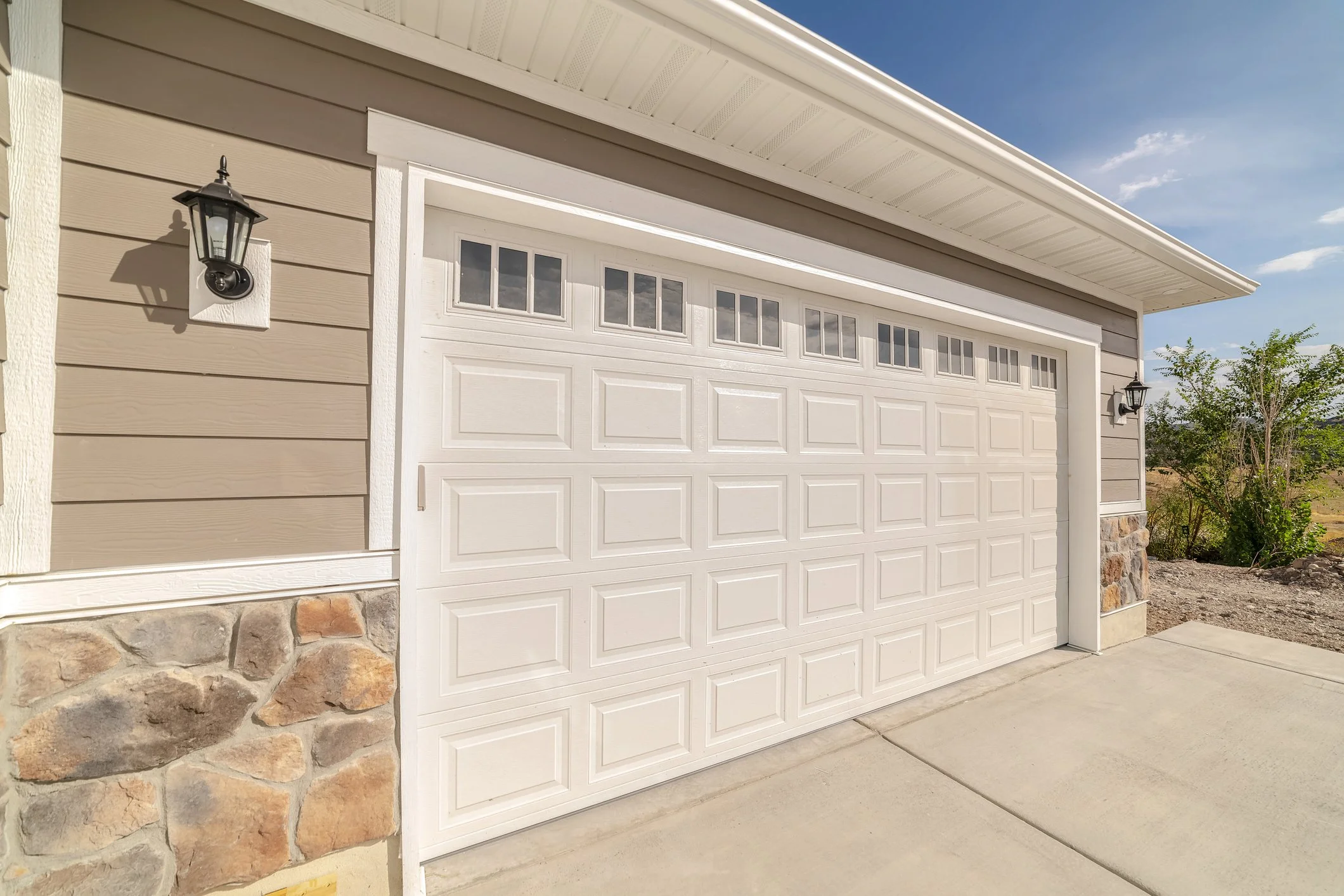
Thinking about transforming your garage into living space for aging parents or adult children? Here's everything eastern North Carolina homeowners need to know about garage conversion costs, design options, and whether this makes sense for your property.
Your two-car garage sits half-empty most days while you're struggling to figure out housing for aging parents or adult children who need to move back home. That 400 to 500 square feet of underutilized space could become a comfortable in-law suite for a fraction of what new construction would cost.
Garage conversions represent one of the most cost-effective paths to creating additional living space in eastern North Carolina. At Plank Construction, we've converted garages into living space throughout the region, and we've learned that successful conversions require understanding both the possibilities and the limitations of working with existing structures.
Let's explore what garage-to-in-law-suite conversions actually cost, what design options work best, and how to determine if your garage is a good candidate for conversion.
Why Garage Conversions Make Financial Sense
Garage conversions typically cost $35,000 to $65,000 in eastern NC compared to $80,000 to $120,000 for similar-sized new construction in-law suites or ADUs. You're saving foundation costs, structural framing, and exterior finishing while reusing existing space.
The existing structure provides walls, roof, and basic shell that new construction requires building from scratch. Even though you'll need to insulate, finish, and outfit the interior completely, starting with an existing enclosed space saves substantial money.
Timeline advantages mean garage conversions typically take 6 to 10 weeks compared to 12 to 16 weeks for new construction. Faster completion gets your in-law suite functional sooner, whether that's urgent for aging parents needing immediate housing or adult children facing lease end dates.
Permitting is often simpler for garage conversions than new construction because you're modifying existing structures rather than adding new buildings. Most eastern NC jurisdictions still require building permits, but the approval process typically moves faster.
Cost Breakdown for Typical Garage Conversions
Basic garage conversions transforming space into simple in-law suites with bedroom, bathroom, and kitchenette typically cost $35,000 to $48,000. This includes essential work like insulation, drywall, flooring, basic bathroom and kitchen installation, electrical upgrades, and HVAC addition.
Mid-range conversions with quality finishes, full kitchens, nice bathrooms, and thoughtful design generally cost $48,000 to $58,000. This level includes better fixtures, improved insulation and climate control, attractive finishes, and designs that maximize the space's functionality.
High-end garage conversions can cost $58,000 to $75,000 or more with luxury finishes, custom features, top-quality appliances and fixtures, and sophisticated design. These conversions create in-law suites that rival upscale apartments in quality and comfort.
These ranges assume two-car garages of 400 to 500 square feet. Smaller single-car garages cost less in absolute dollars but often more per square foot because fixed costs like bathroom installation don't scale down proportionally.
Major Cost Components You'll Face
Insulation represents one of your largest expenses at $2,500 to $4,500 because garages typically have minimal or no insulation. Eastern NC's humid climate requires quality wall and ceiling insulation for both comfort and moisture control. Proper insulation also dramatically improves energy efficiency and reduces HVAC costs.
HVAC installation costs $3,500 to $6,500 for systems adequate to heat and cool converted garage space. Mini-split heat pumps work exceptionally well for garage conversions, providing efficient climate control without the complexity of extending existing ductwork. These systems handle eastern NC's humidity effectively while maintaining comfortable temperatures.
Electrical work typically costs $3,000 to $7,000 because garages need substantial electrical upgrades for living space. Most garages have minimal electrical service adequate for garage door openers and a few lights but nowhere near sufficient for kitchen appliances, bathroom fixtures, HVAC systems, and modern living requirements. Panel upgrades are often necessary.
Plumbing installation represents $6,000 to $12,000 of conversion costs because you're running entirely new water supply and waste lines from your main house to the garage. Distance from existing plumbing affects costs significantly – garages close to main house bathrooms or kitchens cost less to plumb than those requiring long pipe runs.
Bathroom installation including all fixtures, tile work, and finishes costs $8,000 to $18,000 depending on size and quality level. A basic 5x8 bathroom with prefab shower, standard toilet, and simple vanity runs $8,000 to $11,000. A more spacious bathroom with tile shower, quality fixtures, and nice finishes costs $12,000 to $18,000.
Kitchen installation varies dramatically from $6,000 for basic kitchenettes with apartment appliances and minimal cabinetry to $18,000+ for full kitchens with standard appliances and adequate storage. Most garage conversion in-law suites include kitchenettes rather than full kitchens to save costs and space.
Drywall installation including materials, labor, taping, mudding, and sanding typically costs $3,000 to $5,500. This covers walls and ceilings, creating finished surfaces ready for paint.
Flooring costs $2,500 to $6,000 depending on materials and garage size. Luxury vinyl plank works well in garage conversions, providing attractive, durable, moisture-resistant surfaces at reasonable cost. Tile costs more but offers excellent durability and appearance.
Garage door removal and wall framing to fill the opening costs $2,000 to $4,500. You'll need proper structural framing, exterior siding to match your house, and interior finishing. Some conversions maintain garage doors for future flexibility, though this limits layout options.
What Your Garage Needs to Be Convertible
Adequate size is essential – garages smaller than 300 square feet rarely convert well into functional in-law suites. Two-car garages of 400 to 500 square feet provide comfortable living space, while oversized garages of 600+ square feet create spacious in-law suites.
Ceiling height affects conversion feasibility significantly. Standard 8-foot ceilings work adequately, while 9 or 10-foot ceilings create more comfortable spaces. Garages with ceilings below 8 feet feel cramped and may not meet code requirements for living space.
Foundation condition matters because garage slabs must be suitable for living space. Cracked, uneven, or moisture-damaged slabs might require repair or leveling before flooring installation. Garages built on dirt floors rather than concrete slabs need slab installation before conversion, adding $4,000 to $8,000 to costs.
Proximity to main house utilities affects plumbing and electrical costs dramatically. Garages attached to houses or located near utility entry points cost less to connect than detached garages far from existing services.
Flood zone status determines feasibility in coastal eastern NC. Garages in flood zones might need elevation or flood-resistant construction that makes conversion impractical or expensive.
Design Layouts That Work Well
Studio layouts with combined sleeping and living areas work well in smaller garages. A 400-square-foot conversion might include open living/sleeping area, separate bathroom, and kitchenette along one wall. These layouts feel spacious despite limited square footage.
One-bedroom layouts in larger garages provide separate sleeping areas with doors for privacy. A 500-square-foot garage can accommodate bedroom, bathroom, small living area, and kitchenette with thoughtful design.
Kitchenette placement along one wall maximizes usable space while providing cooking facilities. Full kitchens require more space but work in oversized garages when occupants need complete cooking capabilities.
Bathroom location often works best in rear corners or along side walls depending on where plumbing connections are most practical. Bathrooms should be accessible without walking through sleeping areas.
Storage solutions including closets, built-in shelving, or creative use of otherwise-wasted space prevent converted garages from feeling cluttered. Adequate storage is essential for comfortable long-term living.
Entrance and Access Considerations
Maintaining garage door access provides future flexibility but limits interior layout options. The large opening requires furniture placement that doesn't block the door and creates challenges for climate control and security.
Removing garage doors and creating standard entry doors provides better layouts, improved security, and more efficient climate control. New entry doors cost $2,000 to $4,500 including structural framing and exterior finishing.
Separate exterior entrance independent from main house entry preserves privacy and independence for in-law suite occupants. Adding new exterior doors costs less than you might expect and dramatically improves functionality.
Interior connections to main house through breezeway or direct door access work well for some families. This approach allows easy interaction while maintaining some separation between living spaces.
What You're Giving Up
Parking and storage space disappear when you convert garages to living space. This trade-off makes sense for families needing housing more than garage parking, but consider whether you have alternative parking and storage before committing to conversion.
Future buyers might view the conversion negatively if they need garage parking more than in-law suite space. However, well-executed conversions typically add more value than they eliminate, and many buyers appreciate flexible housing options.
HOA restrictions in some neighborhoods prohibit garage conversions or require maintaining garage door functionality. Check your HOA documents before planning conversions to avoid conflicts with neighborhood covenants.
Resale impact varies by market and execution quality. Professional conversions with proper permits typically add value, while poorly executed DIY conversions might hurt property values.
Permitting Requirements in Eastern NC
Building permits are required for garage conversions in virtually all eastern NC jurisdictions. The work involves electrical, plumbing, and structural modifications that require inspection for safety and code compliance.
Electrical permits cover panel upgrades, new circuits, and all wiring for living space. Licensed electricians must perform this work, and inspections verify proper installation.
Plumbing permits address new water supply and waste lines plus fixture installation. Licensed plumbers handle this work, with inspections ensuring proper installation and code compliance.
Mechanical permits for HVAC installation ensure proper sizing, installation, and venting of heating and cooling systems.
Zoning approval might be required in some jurisdictions to verify that converting garage to living space doesn't violate local regulations. Most residential zones allow this conversion, but confirming approval before starting prevents problems.
Certificate of occupancy may be required after conversion completion, verifying that space meets code requirements for habitable living areas.
Climate Control Challenges Specific to Garages
Garages often have minimal insulation and were never designed for climate control. Converting them requires addressing these deficiencies to create comfortable living space in eastern NC's humid climate.
Concrete slab floors are cold in winter and can transmit moisture from ground. Proper underlayment and moisture barriers below flooring prevent these problems while improving comfort.
Large garage door openings create thermal bridging even after proper insulation because the framing around these openings often lacks adequate insulation. Addressing this requires careful attention during conversion.
Attic space above garages often lacks insulation or ventilation adequate for living space. Upgrading attic insulation to R-38 or higher prevents heat gain and reduces cooling costs substantially.
Humidity control requires proper HVAC sizing and possibly supplemental dehumidification in eastern NC. Converted garages can develop moisture problems without adequate climate control.
Accessibility Features Worth Including
Wide doorways accommodating wheelchairs cost nothing extra during conversion but become expensive to modify later. Installing 36-inch doors throughout provides accessibility while looking completely normal.
Curbless showers must be planned during bathroom construction. Adding proper floor pitch and drainage for barrier-free showers after completion costs thousands more than including during initial construction.
Blocking for grab bars should be installed in bathroom walls during construction. This hidden reinforcement costs about $150 but allows secure grab bar installation if needed later without opening walls.
Lever handles on doors and faucets work better for everyone and cost the same as traditional knobs. These provide accessibility benefits while appearing contemporary.
When Garage Conversion Doesn't Make Sense
Structural issues including foundation problems, roof damage, or wall deterioration might cost more to repair than converting makes sense. Severely deteriorated garages sometimes cost more to convert than building new ADUs.
Zoning or HOA prohibitions in some areas prevent garage conversions regardless of their practical appeal. Verify regulatory approval before investing in conversion planning.
Inadequate garage size below 300 square feet rarely converts into comfortable living space. Very small garages work better remaining garages than becoming cramped, dysfunctional in-law suites.
Extreme distance from utilities in detached garages far from main houses might make utility connections cost-prohibitive. Long plumbing and electrical runs can cost $15,000+ in some situations.
Critical parking needs for families who actually use garages for vehicles might make the trade-off unacceptable. Families with multiple cars and no alternative parking should carefully consider whether losing garage space makes sense.
Getting Professional Help
Experienced contractors familiar with garage conversions understand the common challenges and solutions specific to these projects. At Plank Construction, we've converted numerous eastern NC garages and know what works well and what creates problems.
Architects or designers can maximize small spaces through clever layouts that DIY planners might miss. Professional design services costing $1,500 to $3,500 often pay for themselves through better space utilization.
Code compliance requires understanding local requirements for living space, egress, ventilation, and accessibility. Professional contractors ensure conversions meet all regulations.
At Plank Construction, we help eastern NC families evaluate whether garage conversion makes sense and design conversions that maximize functionality while minimizing costs. Our experience with local permitting and construction requirements ensures smooth projects.
Ready to explore converting your eastern NC garage into an in-law suite? Contact Plank Construction for a consultation that evaluates your garage's conversion potential and provides realistic cost estimates for creating the living space your family needs.
Plank Construction specializes in garage conversions and in-law suite development throughout eastern North Carolina. Our experience with these projects ensures realistic planning and successful execution. Contact us today to discuss your garage conversion possibilities.