
Converting Your Garage to a Home Office in Eastern NC: Complete Cost Breakdown
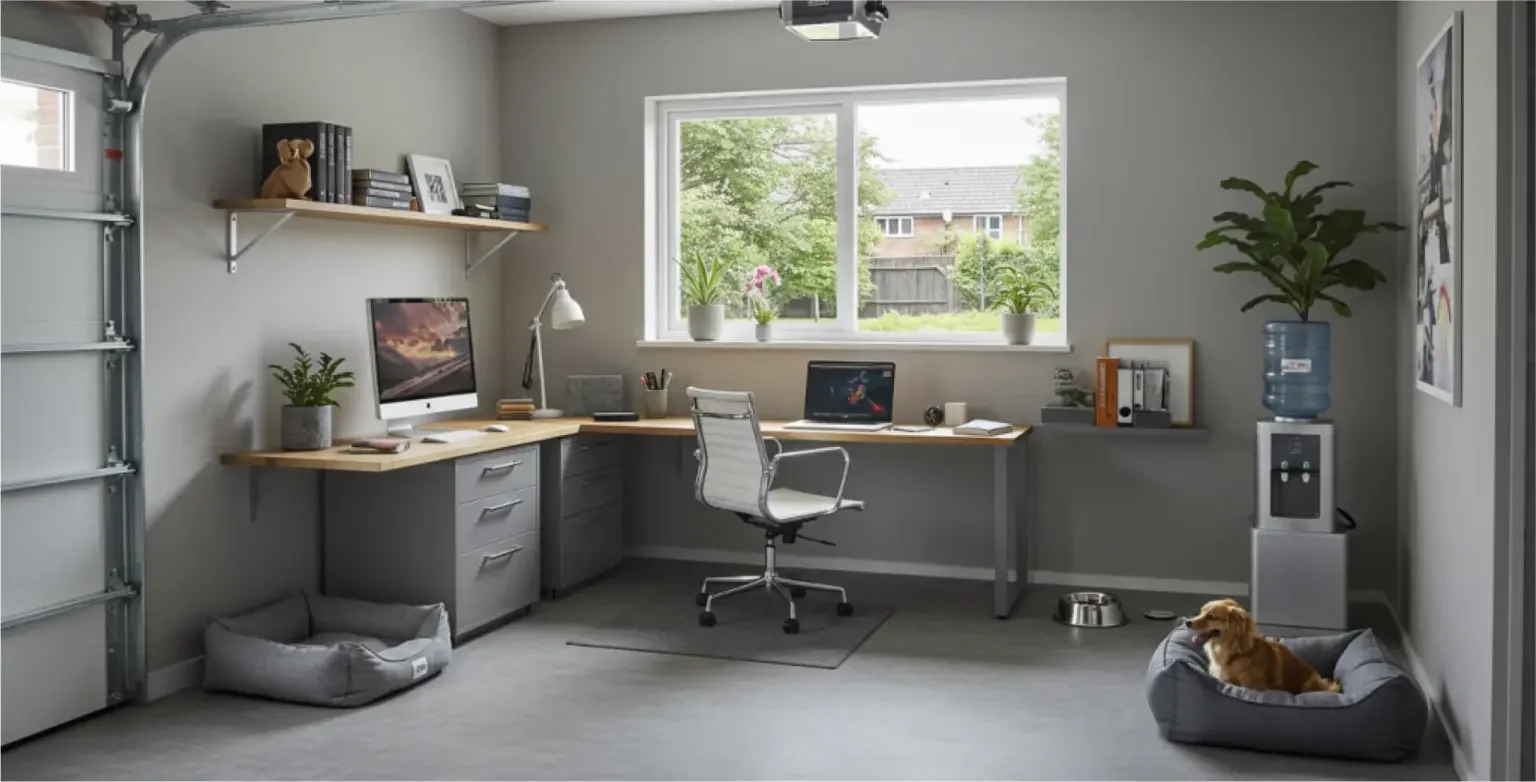
Tired of working from your kitchen table? Here's everything you need to know about transforming your eastern North Carolina garage into a productive home office, including real costs and what to expect during the process.
The home office revolution isn't slowing down, and eastern NC homeowners are getting creative about finding dedicated workspace. Your garage represents one of the best opportunities for creating a professional home office without the expense and complexity of building additions. It's already there, it's already structured, and with the right approach, it can become the productive workspace you've been dreaming about.
At Plank Construction, we convert garages into home offices throughout eastern NC, and we've learned that success comes down to understanding realistic costs, planning for our unique climate challenges, and making smart design choices that balance functionality with budget. Whether you're a remote employee, business owner, or consultant, your garage might be the perfect solution.
Let's break down exactly what it costs and what it takes to convert your eastern NC garage into a home office that actually works.
Why Garage Conversions Make Great Home Offices
Garages offer several advantages over other home office solutions that make them particularly appealing for remote workers. The separation from your main living space creates the psychological boundary that helps with work-life balance while maintaining the convenience of working from home.
Size works in your favor with most garages. A typical two-car garage provides 400 to 500 square feet, which is generous for a home office. You can accommodate large desks, multiple monitors, filing systems, and even meeting areas within that footprint.
Separate entrance possibilities give garage offices a professional edge. Many garages already have exterior doors, and adding or improving these creates client-ready spaces where business visitors don't need to enter your main home.
Natural light potential exists in most garages, though it usually needs enhancement. Adding windows or improving existing ones transforms dark storage spaces into bright, inspiring work environments.
Electrical service is already present in most garages, though it typically needs significant upgrading for office use. Starting with some electrical infrastructure costs less than running new service to additions or outbuildings.
Realistic Cost Breakdown for Eastern NC Garage Office Conversions
Understanding where your money goes helps you budget appropriately and make informed decisions about where to invest and where to economize.
Basic garage office conversions typically cost $15,000 to $25,000 in eastern NC. This range covers essential transformations including insulation, drywall, flooring, electrical upgrades, and HVAC integration. You're creating functional workspace with standard finishes and basic amenities.
Mid-range conversions usually run $25,000 to $40,000 and include bathroom additions, enhanced finishes, custom built-in storage, upgraded lighting systems, and more sophisticated climate control. These offices rival professional workspace quality while maintaining residential comfort.
High-end garage offices can cost $40,000 to $60,000 or more when they include luxury finishes, extensive custom millwork, sophisticated technology integration, and premium materials throughout. These spaces often serve dual purposes as showrooms, client meeting spaces, or studios requiring specialized features.
The wide cost range reflects the difference between basic functional conversions and comprehensive transformations. Your specific costs depend on your garage's current condition, your intended use, and the finish level you choose.
Major Cost Components You'll Encounter
Breaking down costs by category helps you understand where your investment goes and where you might adjust budget priorities.
Insulation typically costs $2,000 to $4,000 for proper wall and ceiling insulation in eastern NC garages. Most garages have minimal or no insulation, and our humid climate requires quality insulation for both comfort and energy efficiency. Proper insulation also improves soundproofing, which matters for video calls and concentration.
HVAC integration represents one of your largest expenses at $3,000 to $7,000 depending on your approach. Mini-split systems work exceptionally well for garage offices, providing efficient heating and cooling without extending ductwork through your home. These systems handle eastern NC's humidity effectively while offering independent temperature control.
Electrical work often costs $3,000 to $8,000 because garages need dramatic electrical upgrades for office use. You'll need multiple dedicated circuits for computers, monitors, printers, and other equipment, plus adequate outlets throughout the space and quality lighting systems. Many garages also need electrical panel upgrades to handle increased loads.
Drywall installation typically runs $2,000 to $4,000 including materials and labor. This covers walls and ceilings, creating finished surfaces ready for painting. The cost includes proper moisture barriers behind drywall, which are crucial in eastern NC's humid environment.
Flooring choices significantly impact both cost and comfort. Basic luxury vinyl plank might cost $1,500 to $2,500 installed, while engineered hardwood runs $3,000 to $5,000, and quality tile can cost $3,500 to $6,000. Remember that garage floors are concrete slabs that need proper preparation before any flooring installation.
Windows and doors add $2,000 to $6,000 depending on quantity and quality. Most garage offices benefit from adding windows for natural light, while exterior doors might need upgrading for professional appearance and security. Each window costs $400 to $1,000 installed, while quality exterior doors run $1,000 to $2,500.
Framing the garage door opening costs $1,500 to $3,500 when you're closing in the garage door area completely. This structural work creates wall space but requires proper engineering to maintain structural integrity. Some homeowners prefer keeping garage doors functional for future flexibility.
Hidden Costs That Catch People Off Guard
Several expenses surprise homeowners who budget only for obvious construction costs. Planning for these prevents mid-project stress.
Permits and inspections typically cost $500 to $1,200 in eastern NC, varying by county. Garage office conversions require building permits covering electrical, structural, and sometimes HVAC work. The permit process also means scheduled inspections throughout construction.
Moisture control measures add $1,000 to $3,000 but are essential in our humid climate. This includes vapor barriers, proper ventilation systems, and sometimes dehumidification beyond what your HVAC provides. Skimping on moisture control creates expensive mold and comfort problems.
Internet and technology infrastructure costs $500 to $2,000 for proper implementation. Hardwired ethernet connections, enhanced WiFi coverage, and cable management systems keep your office functional and organized. Some professionals need separate business internet service for reliability and tax purposes.
Furniture and equipment aren't construction costs but represent significant investment. Budget $2,000 to $8,000 for quality desk, ergonomic seating, filing systems, and necessary office equipment. These costs add up quickly when outfitting a complete office.
Temporary workspace needs during construction might require coworking space rentals or other arrangements costing $200 to $800 monthly for the 6 to 10 weeks typical garage conversions take.
Design Decisions That Affect Your Budget
Several design choices significantly impact your final costs while affecting functionality and comfort for years to come.
Bathroom addition is the single biggest budget decision. Adding a half-bath costs $8,000 to $15,000, while full bathrooms run $12,000 to $25,000. Bathrooms require plumbing extensions, additional electrical work, and ventilation systems. The convenience factor is substantial if you see clients or work long days.
Built-in storage versus furniture affects both immediate costs and long-term functionality. Custom built-ins cost more initially, ranging from $2,000 to $8,000, but maximize space efficiency and create professional appearance that furniture can't match.
Window quantity and placement dramatically affect both natural light and costs. Each additional window adds $400 to $1,000 but improves workspace quality significantly. North-facing windows provide consistent light without glare, while east and west windows create heat gain challenges.
Soundproofing level depends on your work requirements and household situation. Basic sound control comes with proper insulation, but enhanced soundproofing with specialized materials adds $1,500 to $4,000. This matters more for video-heavy work or households with young children.
Finish level choices affect aesthetics and durability. Standard builder-grade materials keep costs down, while upgraded finishes create spaces you'll enjoy using daily. The difference might be $5,000 to $15,000 but affects your workspace satisfaction for years.
Climate Considerations for Eastern NC Garage Offices
Eastern NC's humid subtropical climate requires specific attention during garage office conversions to ensure comfort and durability.
Humidity control goes beyond basic HVAC and affects material choices, ventilation planning, and sometimes requires supplemental dehumidification. Proper moisture management prevents the musty smell and mold growth that plague poorly converted garages in our climate.
Insulation quality matters more in eastern NC than in many regions. Our hot, humid summers and occasional cold snaps require insulation that handles temperature extremes while managing moisture effectively. R-value requirements for comfortable workspace exceed minimum code standards.
Ventilation systems must handle both temperature control and moisture management. Proper air exchange prevents stuffiness while managing humidity that affects both comfort and equipment longevity.
Window treatments become essential for managing intense summer sun that creates heat gain and screen glare. Budget $500 to $2,000 for quality window coverings that provide light control while maintaining professional appearance.
Material selection should prioritize moisture resistance throughout. From flooring underlayment to wall finishes, choosing materials that handle humidity prevents problems that develop months or years after conversion.
Timeline Expectations for Garage Office Conversions
Understanding realistic timelines helps with planning both construction logistics and temporary work arrangements.
Planning and permitting typically takes 2 to 4 weeks before construction begins. This includes finalizing design, getting contractor bids, applying for permits, and coordinating schedules.
Construction phase usually runs 6 to 10 weeks for most garage office conversions. Simple conversions without bathrooms might finish in 4 to 6 weeks, while complex projects with bathrooms and extensive custom work can take 12 weeks.
Weather impacts can extend timelines, particularly for exterior work like windows and door installations. Eastern NC's unpredictable weather and hurricane season sometimes create delays beyond anyone's control.
Inspection scheduling affects progress because electrical, plumbing, and final inspections must occur at specific construction phases. Coordinating inspector availability sometimes creates brief delays.
Financing Your Garage Office Conversion
Several financing approaches work well for garage office conversions depending on your financial situation and business structure.
Home equity lines of credit typically offer the lowest rates and most flexibility for homeowners with adequate equity. You pay interest only on funds used, and interest is often tax-deductible for home improvements.
Cash payment might be feasible for simpler conversions in the $15,000 to $25,000 range. Paying cash eliminates interest costs but reduces liquid reserves for other needs or opportunities.
Personal loans work for homeowners without sufficient equity or those who prefer not using home equity. Rates are higher than HELOCs but approval is faster and doesn't require home equity.
Business financing options exist for business owners who can justify the expense as business investment. Equipment financing or business lines of credit sometimes offer favorable terms for professional workspace.
Tax considerations significantly affect net costs for business owners and self-employed individuals. Home office deductions, depreciation, and business expense treatments can offset substantial portions of conversion costs. Consult tax professionals about optimizing your specific situation.
Making the Most of Your Investment
Several strategies help maximize your garage office conversion investment both immediately and long-term.
Focus budget on functionality over luxury in most cases. Quality insulation, proper HVAC, and adequate electrical service matter more than expensive finishes. You can upgrade cosmetic elements later, but core systems should be done right initially.
Plan for flexibility because your work needs might change over time. Convertible spaces that can shift from office to studio to guest suite maintain value across different uses.
Consider future buyers even if you plan to stay long-term. Garage offices appeal to remote workers but some buyers prefer garage parking. Designing for potential reconversion maintains broader market appeal.
Technology infrastructure deserves adequate investment because obsolete technology creates frustration and reduces productivity. Proper electrical capacity, quality internet, and thoughtful cable management pay dividends daily.
Energy efficiency reduces operating costs and improves comfort. Quality insulation, efficient HVAC, LED lighting, and programmable thermostats provide returns through reduced utility bills.
Working with Contractors on Garage Office Conversions
Choosing the right contractor dramatically affects both project success and your satisfaction with the process and results.
Experience with garage conversions specifically matters because these projects involve different challenges than room additions or standard remodeling. Contractors experienced with conversions understand moisture control, structural considerations, and design approaches that work well.
Portfolio review should include completed garage office projects similar to what you're planning. Photos and client testimonials from office conversions provide better insights than general construction work.
Communication clarity from the start prevents misunderstandings and conflicts. Discuss expectations about daily schedules, work hours, dust control, and how you'll communicate during construction.
Written proposals should detail everything included in quoted prices. Vague estimates create conflicts when assumptions don't match reality. Get itemized breakdowns showing labor, materials, permits, and contingencies.
At Plank Construction, we've refined our garage office conversion process through years of eastern NC experience. We understand the climate challenges, local permit requirements, and design approaches that create productive workspaces.
Getting Started with Your Garage Office Project
Beginning your conversion with proper planning prevents expensive mistakes and creates better outcomes.
Assess your garage honestly about current condition, structural integrity, and feasibility for conversion. Some garages have issues that significantly increase conversion costs or even prevent conversion entirely.
Define your needs clearly beyond just "home office." Do you see clients? Need bathroom facilities? Require specialized equipment? Your specific work requirements affect design and budget priorities.
Set realistic budgets with 15% to 20% contingency for unexpected issues. Older garages particularly tend to reveal problems once work begins.
Research permits and zoning before committing to specific plans. Understanding requirements prevents expensive changes later when plans don't meet code.
Plan for temporary workspace during the 6 to 10 week construction period. Having alternative arrangements prevents work disruptions and stress.
Ready to transform your eastern NC garage into a productive home office? Contact Plank Construction for a consultation that evaluates your garage, discusses your work requirements, and provides realistic cost estimates. We'll help you create a workspace that boosts productivity while adding value to your home.
Plank Construction specializes in garage to office conversions throughout eastern North Carolina. Our experience with local climate challenges and home office functionality ensures conversions that work beautifully for your professional needs. Contact us today to discuss your garage office project.