First Floor Master Suite Addition Costs in Eastern NC: Complete Planning Guide
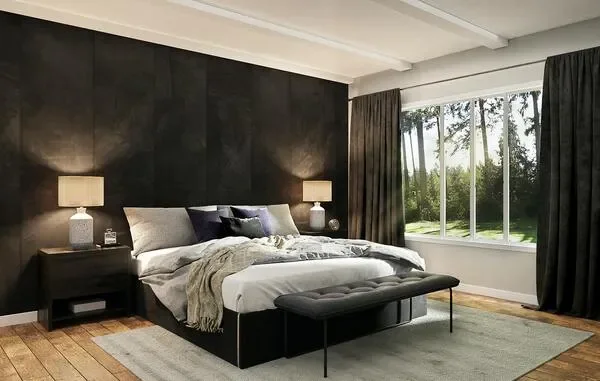
Considering adding a first-floor master bedroom to your eastern North Carolina home? Here's everything you need to know about costs, design options, and whether this aging-in-place investment makes sense for your property.
The two-story home that worked perfectly when you were younger starts feeling less practical with time. Climbing stairs becomes harder, carrying laundry up and down loses its appeal, and the idea of all your daily living on one level sounds increasingly attractive. A first-floor master suite addition solves these challenges while adding significant value to your eastern NC home.
At Plank Construction, we build first-floor master suite additions throughout eastern North Carolina for families planning ahead, caring for aging parents, or dealing with mobility challenges. These projects represent some of the smartest investments homeowners can make, combining immediate lifestyle benefits with long-term property value increases and aging-in-place functionality.
Let's break down what these additions really cost and what factors affect your investment in eastern NC.
Why First-Floor Master Suites Make Sense in Eastern NC
The appeal of first-floor master suites goes beyond convenience. In eastern NC's real estate market, homes with main-level living command premium prices and sell faster than comparable two-story-only homes. Retirees relocating to our area specifically seek single-level living options, making these additions valuable for resale even if that's years away.
Aging-in-place planning drives many first-floor suite decisions. Rather than waiting until mobility issues force expensive modifications or difficult moves, forward-thinking homeowners build flexibility into their homes while they can plan thoughtfully and finance comfortably. The result is space that serves you well for decades regardless of how your needs change.
Multigenerational living also motivates these additions. Many eastern NC families build first-floor suites for aging parents who need proximity but want independence. The separate suite provides privacy while keeping family close for support and daily interaction.
Realistic Cost Ranges for Eastern NC
First-floor master suite additions typically cost $80,000 to $150,000 in eastern North Carolina, with most projects falling in the $100,000 to $130,000 range. This investment includes everything from foundation and framing through finished interiors and exterior completion.
Basic additions of 300 to 400 square feet with standard finishes generally cost $80,000 to $100,000. These provide comfortable bedroom space with attached bathroom using builder-grade materials and straightforward layouts. While not luxurious, these additions deliver full functionality at reasonable investment levels.
Mid-range additions of 400 to 500 square feet typically cost $100,000 to $130,000 and represent where most clients invest. These include quality finishes, spacious bathrooms with accessibility features, walk-in closets, and sometimes small sitting areas. The additional space and better finishes create master suites that truly enhance daily living.
High-end additions of 500 to 700 square feet can cost $130,000 to $180,000 or more when they include luxury finishes, spa-like bathrooms, custom closet systems, and features like morning bars or private porch access. These additions rival upscale hotel suites in comfort and functionality.
Several factors push projects toward higher or lower ends of these ranges, and understanding them helps with realistic budget planning.
Major Cost Components You'll Encounter
Foundation work typically costs $12,000 to $25,000 depending on your home's existing foundation type and soil conditions. Slab foundations work well in many eastern NC locations and cost less than crawl space foundations. Properties requiring deep footings or dealing with challenging soil conditions face higher foundation costs.
Framing and structural work including roof framing usually runs $20,000 to $40,000 for typical master suite additions. This includes exterior walls, interior partition walls, roof structure, and structural modifications connecting new space to existing house. Complex roof lines or matching existing architectural details increase costs in this category.
Exterior finishing including siding, roofing, windows, and doors typically costs $15,000 to $30,000. Matching existing exterior materials exactly sometimes requires custom work that increases costs. Eastern NC's climate requires quality exterior materials that handle humidity and occasional severe weather.
Plumbing work for master bathroom additions runs $8,000 to $15,000 including all supply lines, waste lines, fixture installation, and connections to existing systems. Bathrooms located far from existing plumbing increase costs due to longer pipe runs and potential need for additional venting.
Electrical work typically costs $5,000 to $10,000 for adequate lighting, outlets, switches, and bathroom ventilation. Many homes also need electrical panel upgrades to handle additional load, adding $1,500 to $3,000 to electrical costs.
HVAC integration usually runs $4,000 to $8,000 depending on whether you extend existing systems or install dedicated equipment. Mini-split systems work well for master suite additions and often cost less than extending ductwork through existing homes.
Interior finishes including flooring, paint, trim, and built-ins typically represent $15,000 to $35,000 of your budget. This category shows the widest variation based on material choices and finish level preferences.
Design Decisions That Affect Your Budget
Bathroom size and features significantly impact total costs. A modest 60-square-foot bathroom with standard tub-shower combination costs much less than a 100-square-foot spa bathroom with separate shower, soaking tub, and double vanity. Each bathroom upgrade adds functionality but also adds cost.
Walk-in closet size and organization systems affect both construction costs and long-term satisfaction. Basic walk-in closets with simple shelving add modest costs, while custom closet systems with specialized storage for shoes, accessories, and seasonal items can add $3,000 to $8,000 to your budget.
Ceiling height choices impact both the feel of the space and construction costs. Standard 9-foot ceilings work well and keep costs reasonable, while 10 or 11-foot ceilings create more dramatic spaces but increase framing, drywall, and finishing costs by 10 to 15%.
Window quantity and quality dramatically affect both natural light and costs. Each additional window costs $400 to $1,000 installed, but the natural light they provide significantly improves daily enjoyment of your space.
Accessibility features like curbless showers, wide doorways, and blocking for future grab bars add modest upfront costs but provide enormous long-term value. Building these features during initial construction costs far less than retrofitting later.
Hidden Costs to Plan For
Permits and inspections typically cost $2,000 to $4,000 in eastern NC depending on your county and project scope. The permit process also requires architectural plans that might cost $2,000 to $5,000 if you hire designers rather than using contractor-provided plans.
Site preparation and access considerations can add unexpected costs. If your addition location requires tree removal, drainage modifications, or temporary fencing for construction access, budget $2,000 to $8,000 for these items.
Temporary inconvenience costs during 12 to 16 week construction periods might include alternative arrangements for disrupted spaces, additional dining out expenses, or temporary storage for displaced belongings.
Landscaping restoration after construction typically costs $2,000 to $6,000 to repair lawn damage, replant disturbed areas, and create finished appearance around your new addition.
Furniture and window treatments for your new master suite aren't construction costs but represent real expenses. Budget $5,000 to $15,000 for quality bedroom furniture, bedding, window treatments, and decorative elements.
Climate Considerations for Eastern NC
Eastern NC's humid subtropical climate requires specific attention during master suite additions to ensure comfortable, durable results for decades.
Insulation quality matters enormously in our climate. Walls should have minimum R-15 insulation while attics benefit from R-38 or higher. Proper insulation not only improves comfort but significantly reduces energy costs in our hot, humid summers.
Moisture control prevents the mold and mildew issues common in our region. Proper vapor barriers, adequate ventilation, and quality materials that handle humidity are essential investments that pay dividends through trouble-free performance.
Window orientation affects both comfort and energy efficiency. North-facing windows provide natural light without heat gain, while south and west-facing windows create cooling challenges unless properly shaded or treated with quality window coverings.
HVAC sizing must account for eastern NC's demanding cooling requirements. Undersized systems struggle during summer heat waves, while oversized systems cycle inefficiently and don't control humidity effectively. Professional load calculations ensure appropriate system sizing.
Aging-in-Place Features Worth Including
Even if mobility challenges aren't current concerns, building aging-in-place features during construction costs far less than retrofitting later. These features also improve resale value since most buyers appreciate flexibility.
Doorways should be 36 inches wide minimum, providing 32 inches of clear passage. This width accommodates wheelchairs and walkers while looking completely normal in standard home design.
Curbless showers eliminate tripping hazards while creating modern, spa-like aesthetics. These showers work for everyone regardless of mobility and have become popular design features beyond accessibility applications.
Blocking for future grab bars should be installed in bathroom walls during construction. This hidden reinforcement allows easy grab bar installation if needed later without expensive wall modifications.
Lever-style door handles and faucets work better than knobs for people with arthritis or limited hand strength while providing contemporary styling everyone appreciates.
Adequate lighting with multiple light sources prevents falls and makes spaces more functional. Plan for both ambient lighting and task lighting in bathrooms and closets.
Timeline Expectations for Master Suite Additions
Planning and design typically takes 4 to 8 weeks before construction begins. This includes finalizing layouts, selecting materials, obtaining permits, and coordinating contractor schedules.
Construction phase usually runs 12 to 16 weeks for most master suite additions. Weather delays are less problematic than with some projects since much work happens in enclosed spaces, though exterior work remains weather-dependent.
Simple additions to homes with straightforward connections and minimal complexity sometimes finish in 10 to 12 weeks, while complex projects requiring significant structural modifications might take 16 to 20 weeks.
Financing Your Master Suite Addition
Home equity lines of credit typically offer the most flexible and cost-effective financing for master suite additions. Most eastern NC homeowners with established equity can access necessary funds at reasonable rates.
Construction-to-permanent loans work well when you need both land purchase financing and construction funding, though most master suite additions happen on properties already owned.
Cash payment eliminates interest costs but reduces liquid reserves. Many clients prefer using some financing even when they could pay cash, maintaining financial flexibility for other opportunities or emergencies.
FHA 203k loans allow purchase and renovation financing in single mortgages, useful when buying homes specifically to add master suites.
Return on Investment Considerations
Master suite additions typically return 60 to 80% of their cost in added home value immediately, making them solid investments even before considering lifestyle benefits.
In eastern NC markets with strong retiree demand, homes with first-floor master suites often sell faster and command premium prices compared to two-story-only homes. This advantage varies by specific location but is particularly strong in coastal areas and communities with older demographic profiles.
The aging-in-place value often exceeds financial return on investment. Remaining in your home and community as you age provides lifestyle continuity and social connection that are difficult to quantify but enormously valuable.
Making Your Decision
First-floor master suite additions make the most sense for homeowners planning to stay in their homes at least 7 to 10 years. The investment and disruption are worthwhile when you'll benefit from the improved space for years to come.
Consider your long-term plans honestly. If you might relocate within a few years, the disruption and cost might not justify the benefits. If this is your long-term home, the investment transforms your daily living while building property value.
Evaluate your property's suitability carefully. Some lots accommodate additions easily while others face challenges with setbacks, drainage, or utility locations that increase costs significantly.
At Plank Construction, we help eastern NC families evaluate whether first-floor master suite additions make sense for their specific situations. Our CAPS certification and aging-in-place expertise ensure additions that serve your needs beautifully for decades.
Ready to explore adding a first-floor master suite to your eastern NC home? Contact Plank Construction for a consultation that evaluates your property, discusses your goals, and provides realistic cost estimates for creating the main-level living space you need.
Plank Construction specializes in first-floor master suite additions throughout eastern North Carolina. Our CAPS certification and experience with aging-in-place design ensure additions that combine beauty, functionality, and long-term adaptability. Contact us today to discuss your master suite project.