
House Sharing for Seniors: How In-Law Suites Create Cost-Effective Aging Solutions in Eastern NC
Seniors are increasingly sharing housing with non-family members to afford aging in place. Here's how in-law suites and ADUs provide the privacy and independence that make these arrangements work in eastern North Carolina.
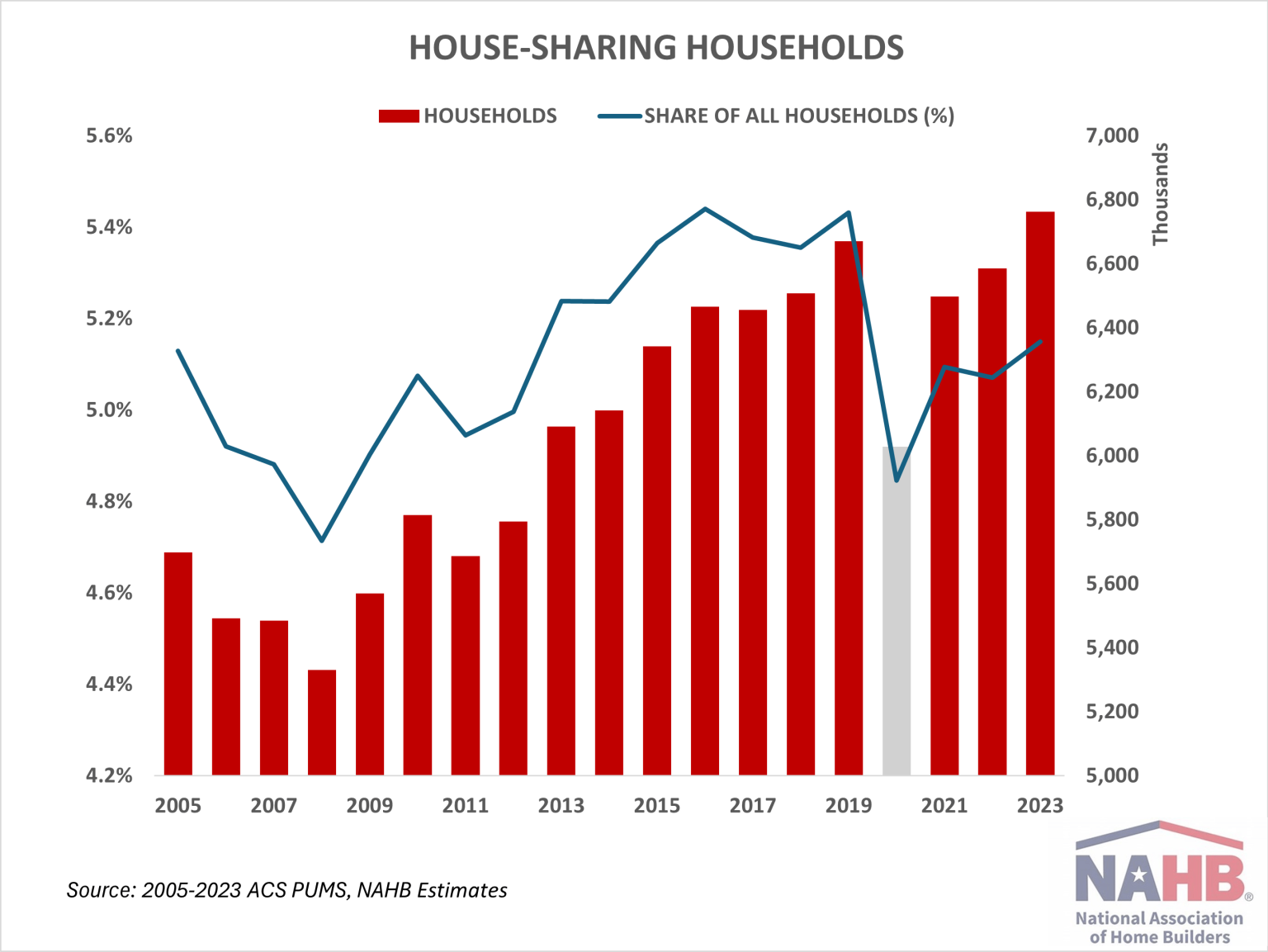
House sharing isn't just for college students anymore. According to recent data from the National Association of Home Builders, a record-high 6.8 million households shared their housing with unrelated housemates, roommates or boarders in 2023, with the 55+ segment accounting for 30% of all house-sharing households. eyeonhousing Even more striking, the number of house-sharers among 65+ householders increased 2.7 times since 2005. eyeonhousing
This dramatic shift reflects financial realities facing older adults across eastern North Carolina and nationwide. Fixed incomes don't stretch as far as they once did, home maintenance costs keep rising, and many seniors find themselves living alone in homes that feel too large and expensive to maintain. House sharing offers solutions, but success requires the right living arrangements.
At Plank Construction, we build in-law suites and ADUs throughout eastern NC for seniors exploring house-sharing arrangements. These spaces provide the privacy and independence that transform house sharing from potentially awkward to genuinely workable. Our CAPS certification ensures we understand the specific needs of older adults creating these living arrangements.
Let's explore why house sharing is growing among seniors and how in-law suites make these arrangements successful.
Why Seniors Are Turning to House Sharing
Fixed incomes face pressure from rising costs across housing, healthcare, utilities, and daily living expenses. Social Security benefits and pensions that seemed adequate a decade ago no longer cover comfortably increasing costs, forcing seniors to find creative housing solutions.
Loneliness and isolation affect many older adults living alone after spouses pass or children move away. The combination of social isolation and financial pressure makes house sharing appeal to seniors who never imagined they'd consider roommates in their 70s or 80s.
Home maintenance becomes increasingly difficult and expensive as people age. Keeping up large homes requires physical ability and financial resources that diminish over time. Sharing housing costs and responsibilities makes home ownership sustainable longer.
House sharing is potentially offering a cost-effective option for older adults to stay in place as they age eyeonhousing rather than moving to expensive assisted living facilities or downsizing to smaller apartments that might not feel like home.
The Challenge of Traditional House Sharing for Seniors
Sharing standard homes creates problems that strain relationships and compromise quality of life. Privacy becomes nearly impossible when seniors share bathrooms, kitchens, and common spaces with unrelated housemates in homes designed for single families.
Different schedules and lifestyles inevitably conflict. Early risers clash with night owls, social butterflies irritate homebodies, and cooking preferences range from elaborate meal preparation to simple microwaved dinners. These differences that seem minor become major points of friction in shared living situations.
Household management disagreements arise around cleaning standards, temperature preferences, noise levels, and space usage. Who controls the thermostat, how loud can television be, and when is it appropriate to have guests all become contentious issues.
Health and mobility differences between housemates create complications. One person might need grab bars and accessible shower while another doesn't, or one might require quiet environment for health reasons while another enjoys active social life.
Guest and family visit complications multiply in shared housing. Where do adult children stay when visiting? How much advance notice is required for overnight guests? These questions that homeowners never considered become sources of conflict in house-sharing situations.
How In-Law Suites Solve House Sharing Problems
In-law suites and ADUs transform house sharing from stressful cohabitation to comfortable independence with shared property. Separate living spaces with individual kitchens, bathrooms, and entrances allow unrelated seniors to share property costs while maintaining private lives.
Privacy and dignity remain intact when each person has dedicated space. Seniors maintain control over their immediate environment including temperature, noise levels, decor, and daily routines without negotiating with housemates.
Independent kitchens eliminate meal coordination challenges and food storage conflicts. Seniors can eat when they want, prepare foods they prefer, and maintain their own grocery budgets without compromise or negotiation.
Separate bathrooms prevent the morning rush conflicts and hygiene standard disagreements that plague traditional house sharing. Each person customizes their bathroom with grab bars, shower seats, or other accessibility features they need without affecting others.
Individual entrances allow different schedules and social lives without disruption. Seniors can come and go, have visitors, or maintain routines without coordinating with housemates or explaining their activities.
Models for Senior House Sharing with In-Law Suites
Owner with renter arrangements represent the most common model. A senior homeowner builds or converts space into an in-law suite, then rents to another senior at below-market rates. Both benefit from shared property costs while maintaining independence.
Co-ownership arrangements allow two or more unrelated seniors to purchase property together and build separate living spaces. This model requires careful legal structuring but provides long-term security for all parties while sharing investment and ongoing costs.
Equity-sharing models where one senior owns the property and another invests in in-law suite construction in exchange for lifetime occupancy rights create win-win situations. The homeowner gets needed construction funding while the investor secures affordable long-term housing.
Senior co-housing communities in some areas feature multiple small homes or cottages sharing common facilities and outdoor spaces. While less common in eastern NC, this model demonstrates growing interest in senior housing that balances independence with community.
Financial Benefits of House Sharing with In-Law Suites
Shared property costs make home ownership sustainable for seniors on fixed incomes. Property taxes, insurance, major repairs, and maintenance expenses divided between two households become much more manageable than bearing these costs alone.
Rental income from in-law suites helps homeowner seniors cover mortgage payments, property taxes, and maintenance while providing affordable housing for renter seniors who can't or don't want to own homes anymore.
Reduced living expenses for both parties stretch fixed incomes further. A senior paying $800 monthly for an in-law suite instead of $1,200 for an apartment saves $4,800 annually while enjoying more space and privacy than typical rental housing provides.
Shared services and support create informal caregiving arrangements. House-sharing seniors often help each other with tasks like grocery shopping, yard work, or transportation, reducing paid service expenses.
Asset preservation for homeowner seniors allows them to maintain home ownership and build equity for heirs rather than spending down assets on expensive assisted living that leaves nothing for family.
Design Features That Work for Senior House Sharing
Accessibility features built into in-law suites serve current or future mobility needs. Wide doorways, zero-step entrances, curbless showers, and grab bar blocking ensure spaces work for seniors with varying physical abilities.
Single-level living eliminates stairs that become barriers as mobility decreases. In-law suites and ADUs designed entirely on one level allow seniors to age in place successfully regardless of mobility changes.
Quality soundproofing between living spaces prevents noise transfer that bothers seniors who might be light sleepers or need quiet environments. Proper insulation and solid-core doors ensure privacy extends to acoustic separation.
Climate control independence allows each person to maintain their preferred temperature. Separate HVAC systems or mini-splits give seniors control over their immediate environment without negotiating thermostat settings.
Adequate storage including closets and general storage space allows seniors to bring their belongings and truly settle in rather than feeling like temporary guests. Being able to unpack and arrange space personalizes in-law suites into real homes.
Emergency response considerations including medical alert system compatibility, adequate lighting, and accessible phone placements ensure safety for aging residents. Planning these features during construction costs less than retrofitting later.
Legal and Financial Structures for Senior House Sharing
Written lease agreements even between friends protect both parties by clearly defining rent, utilities, maintenance responsibilities, guest policies, and how changes or termination will be handled. Verbal agreements lead to misunderstandings.
Co-ownership legal documents require attorney preparation to address investment contributions, expense sharing, decision-making authority, what happens if one party wants to sell, and how estates are handled when an owner passes.
Tax implications affect both homeowners receiving rent and renters paying it. Homeowners might owe income tax on rent received while being able to deduct expenses. Consult tax professionals about your specific situation.
Insurance considerations include ensuring homeowner policies cover rental situations or obtaining landlord insurance if renting to unrelated individuals. Standard homeowner policies often exclude coverage for rental arrangements.
Estate planning becomes more complex with house-sharing arrangements. Work with attorneys to ensure your will, trust, or other estate documents address how house-sharing arrangements affect inheritance and property disposition.
Eastern NC Advantages for Senior House Sharing
Lower housing costs in eastern NC compared to major metropolitan areas make house sharing more financially attractive. Building in-law suites costs less here than in expensive markets while rental rates remain sufficient to help with property expenses.
Larger lot sizes common in eastern NC accommodate detached ADUs that provide maximum independence and privacy. Many eastern NC properties have space for substantial accessory structures that would be impossible on smaller urban lots.
Less restrictive zoning in many eastern NC communities makes ADU and in-law suite development more straightforward than in areas with complex regulations or outright prohibitions.
Strong sense of community in smaller eastern NC towns provides social support networks that complement house-sharing arrangements. Seniors maintain connections to churches, civic organizations, and longtime friends while solving housing challenges.
Finding Compatible House-Sharing Partners
Shared values and lifestyle compatibility matter more than age similarity. Seniors with similar preferences about quiet hours, cleanliness, social activities, and guests typically cohabit more successfully than those with fundamental lifestyle differences.
Trial periods before finalizing arrangements help both parties determine if the situation works well. Some seniors start with month-to-month rentals before committing to longer-term arrangements or co-ownership investments.
Clear communication about expectations, boundaries, and pet policies prevents conflicts. Discussing these details honestly before someone moves in avoids problems that emerge when assumptions don't match reality.
References and background checks protect both parties. Homeowners should screen potential renters while renters should verify homeowner legitimacy and financial stability before investing in living arrangements.
Success Stories and Common Pitfalls
Successful senior house-sharing arrangements typically feature clear boundaries, mutual respect, and separate living spaces that allow independence. The in-law suite model works better than traditional roommate situations because physical separation prevents most common conflicts.
Failed arrangements usually result from inadequate space separation, unclear financial arrangements, or incompatible lifestyles forced into too-close proximity. Learning from these failures highlights why in-law suites work better than simply inviting housemates into standard homes.
Long-term arrangements evolve as needs change. Partners who start healthy and independent might later need mutual support or one might require increasing care. Discussing how changing health will be handled prevents crises.
When House Sharing Doesn't Work
Significant care needs exceed what house-sharing arrangements can provide. When seniors need 24-hour supervision, extensive medical care, or help with most activities of daily living, professional care facilities become necessary regardless of house-sharing benefits.
Personality conflicts that don't resolve despite good-faith efforts mean arrangements should end. Not every combination of people works well together, and recognizing incompatibility early prevents long-term misery.
Financial disputes over expense sharing, property improvements, or other money matters often prove impossible to resolve. Clear written agreements prevent many but not all financial conflicts.
Planning Your Senior House-Sharing Space
If you're considering house sharing as a senior homeowner, building appropriate space before seeking housemates creates better arrangements than trying to retrofit after someone moves in. In-law suites designed thoughtfully from the start work better for everyone.
If you're a senior seeking house-sharing arrangements, looking for properties with existing in-law suites or owners planning to build them provides much better living situations than traditional roommate arrangements.
At Plank Construction, we help eastern NC seniors plan in-law suites and ADUs that make house-sharing arrangements work successfully. Our CAPS certification ensures we understand the specific needs of older adults and design spaces that serve them well through changing circumstances.
Ready to explore in-law suite or ADU options for senior house sharing in eastern NC? Contact Plank Construction for a consultation about creating independent living spaces that make house-sharing arrangements comfortable, dignified, and financially sustainable for seniors.
Plank Construction specializes in in-law suites and ADUs throughout eastern North Carolina with particular expertise in aging-in-place design. Our CAPS certification ensures spaces that serve older adults well while maintaining independence and dignity. Contact us today to discuss your senior housing needs.