The Senate just passed major housing legislation with specific provisions for accessory dwelling units. Here's what the ROAD to Housing Act means for eastern North Carolina homeowners considering ADU projects.
The U.S. Senate passed significant housing legislation in October 2025 that could make ADU development more accessible and affordable across the country, including right here in eastern North Carolina. According to the National Association of Home Builders, the ROAD to Housing Act includes favorable provisions aimed at zoning and land-use policies, rural housing and multifamily housing that will stimulate construction of sorely needed housing. nahb
While federal housing legislation might seem distant from your personal ADU plans in Greenville or New Bern, this bill includes specific provisions that could directly affect financing options and local regulations for accessory dwelling units. At Plank Construction, we're watching how these policy changes might create new opportunities for eastern NC families considering ADU development.
Let's explore what this legislation means for ADU development and how it might benefit homeowners in our region.
What the ROAD to Housing Act Does
The ROAD to Housing Act directs the Department of Housing and Urban Development to develop best practices with key stakeholders, such as home builders and developers, to provide state and local governments with an array of options to increase housing production. nahb This top-down approach aims to encourage local governments to adopt ADU-friendly policies by providing proven models and incentives.
The legislation includes a provision to reward communities that welcome housing growth with more Community Development Block Grant funding. This creates financial incentives for local governments to streamline ADU approvals and reduce regulatory barriers that currently slow or prevent development.
The bill addresses land-use and zoning policies that have historically limited housing production, recognizing that local regulations often create the biggest obstacles to increasing housing supply through options like ADUs.
The ADU-Specific Provision That Matters
One provision directly affects ADU financing for rural homeowners. Income derived from accessory dwelling units can now be used to qualify for the Section 502 Guaranteed Loan Program, which also relieves the original borrower of liability when their loan is transferred and assumed by a new borrower. nahb
This change is significant because it allows rural homeowners to count potential ADU rental income when qualifying for USDA loans. Previously, lenders couldn't consider this income stream, making it harder for rural families to qualify for loans large enough to include ADU construction in their home purchases or refinancing.
For eastern NC's rural areas outside municipal limits, this opens new possibilities for financing homes with ADUs or adding ADUs to existing rural properties using USDA loan programs.
Why Federal Action on Housing Matters
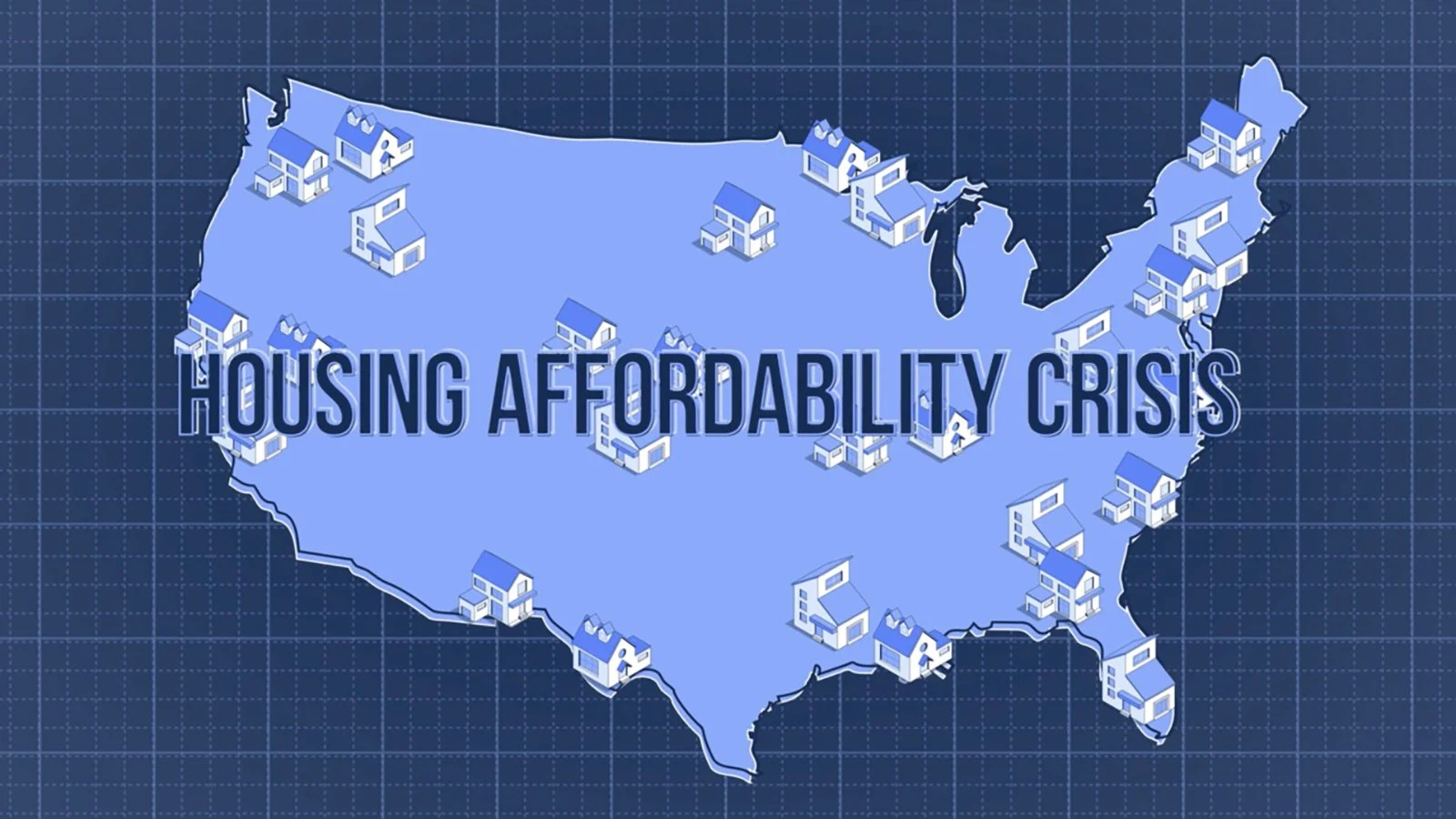
NAHB Chairman Buddy Hughes noted that building more homes is the only way to ease America's housing affordability crisis nahb, and ADUs represent a practical way to add housing supply without large-scale development projects that face community resistance.
Federal legislation addressing housing supply acknowledges that the shortage affects communities nationwide, including smaller markets like those throughout eastern NC. When federal policy encourages local governments to embrace ADU-friendly regulations, it creates momentum for change even in areas that haven't faced severe housing crunches.
The bipartisan nature of this legislation signals broad recognition that housing affordability affects Americans across political divides and geographic regions. This consensus makes sustained policy support more likely than partisan initiatives that change with election cycles.
Potential Impact on Eastern NC Communities
Local governments in Pitt, Craven, Beaufort, and other eastern NC counties might pursue ADU-friendly policies more aggressively if federal incentives reward housing-supportive regulations. Community Development Block Grant funding helps local governments with infrastructure, economic development, and community improvements, making these funds valuable incentives.
Counties and municipalities considering ADU regulation updates now have federal encouragement and potential financial rewards for adopting progressive policies. This could accelerate the regulatory improvements we've already seen in some eastern NC communities.
Best practice guidance from HUD working with stakeholders like NAHB should provide local governments with proven regulatory approaches that balance community character concerns with housing production needs. Eastern NC communities can learn from successful ADU programs elsewhere rather than reinventing regulatory wheels.
What This Means for Rural Eastern NC
The Section 502 loan provision particularly benefits rural eastern NC where USDA loan programs help many families achieve homeownership. Being able to count ADU rental income when qualifying for these loans makes ADU-inclusive properties more accessible to moderate-income rural families.
Rural areas often have larger lots that easily accommodate ADUs without the density concerns that urban areas face. Federal policy recognizing ADUs as legitimate housing and income sources validates what many rural families already understand – accessory dwelling units make practical sense for multigenerational living and rental income.
USDA loan assumption relief mentioned in the legislation makes rural homes with ADUs more marketable because buyers can assume existing favorable loans without original borrowers remaining liable. This improves resale prospects for homes with ADUs financed through USDA programs.
Current ADU Landscape vs. Future Possibilities
Eastern NC already has reasonably ADU-friendly regulations compared to many areas, with Pitt County, Craven County, and other jurisdictions having updated rules in recent years. The federal legislation might accelerate improvements in counties that haven't yet streamlined ADU approvals.
Financial incentives for housing-friendly policies could motivate local governments to reduce permit fees, streamline review processes, or eliminate special use permit requirements that slow ADU development. Even communities with generally positive ADU policies have room for improvement.
The validation of ADUs as legitimate housing solutions at federal level helps shift perception from viewing them as exceptional variances to recognizing them as standard housing options that communities should facilitate rather than merely tolerate.
Financing Implications Beyond USDA Loans
While the legislation specifically addresses Section 502 USDA loans, the principle of counting ADU rental income for loan qualification might influence conventional lenders' policies. When federal programs recognize ADU income streams, private lenders often follow suit.
FHA and VA loan programs might adopt similar policies allowing ADU rental income to qualify borrowers, expanding financing options beyond the rural areas served by USDA programs. This would benefit eastern NC's military families and first-time homebuyers who use these loan programs.
Lenders seeing federal endorsement of ADUs as income-producing properties might become more comfortable financing ADU construction through home equity products, construction loans, or cash-out refinancing specifically for ADU development.
What Homeowners Should Do Now
Don't wait for all policy changes to filter down to local level before exploring ADU possibilities. Current eastern NC regulations already allow ADU development in most areas, and construction costs here remain reasonable compared to expensive markets.
If you're considering ADU development and live in rural areas potentially eligible for USDA loans, discuss the new Section 502 provisions with lenders familiar with these programs. Understanding how ADU rental income affects loan qualification could change your financing strategy.
Stay informed about local regulation changes as communities respond to federal incentives. Attend county commissioner or city council meetings where ADU regulations are discussed to voice support for homeowner-friendly policies.
Long-Term Housing Policy Trends
This legislation represents growing recognition across government that restrictive local regulations have contributed to housing shortages and affordability problems. The trend toward encouraging rather than prohibiting ADUs should continue regardless of political changes.
The bipartisan support for this housing package suggests that pro-housing policies have moved beyond partisan divides to become broadly supported solutions. This makes sustained policy momentum more likely than if housing were a partisan issue.
State and local governments facing their own housing challenges increasingly see ADUs as practical tools for increasing housing supply without requiring massive infrastructure investments or controversial large-scale developments.
What We're Watching
At Plank Construction, we're monitoring how eastern NC counties and municipalities respond to federal incentives for housing-friendly policies. Local regulation improvements could make ADU development even more straightforward than current processes.
We're tracking whether lenders beyond USDA programs begin counting ADU rental income for loan qualification, which would expand financing options for families throughout eastern NC regardless of rural or urban location.
We're interested in whether HUD's best practice guidance for local governments includes specific ADU policies and whether eastern NC communities adopt these recommendations.
The Bottom Line
Federal housing legislation validating ADUs as legitimate housing solutions and removing financing barriers signals important policy shifts that benefit eastern NC homeowners. While changes won't happen overnight, the direction is clear – government at all levels increasingly recognizes ADUs as practical housing solutions worth encouraging.
Eastern NC homeowners don't need to wait for all policy changes to materialize before pursuing ADU projects. Current regulations in most areas already allow development, and our region's reasonable construction costs make projects feasible for many families.
The combination of existing local support, emerging federal encouragement, and practical housing needs positions eastern NC well for continued ADU development growth in coming years.
Ready to explore ADU possibilities on your eastern NC property? Contact Plank Construction for a consultation about current regulations, financing options, and how new federal policies might affect your project timeline and approach.
Plank Construction specializes in ADU construction throughout eastern North Carolina. Our experience with local regulations and understanding of financing options helps ensure successful projects. Contact us today to discuss your ADU plans and how evolving policies might benefit your development.