How to Finance an ADU or In Law Suite in Eastern North Carolina
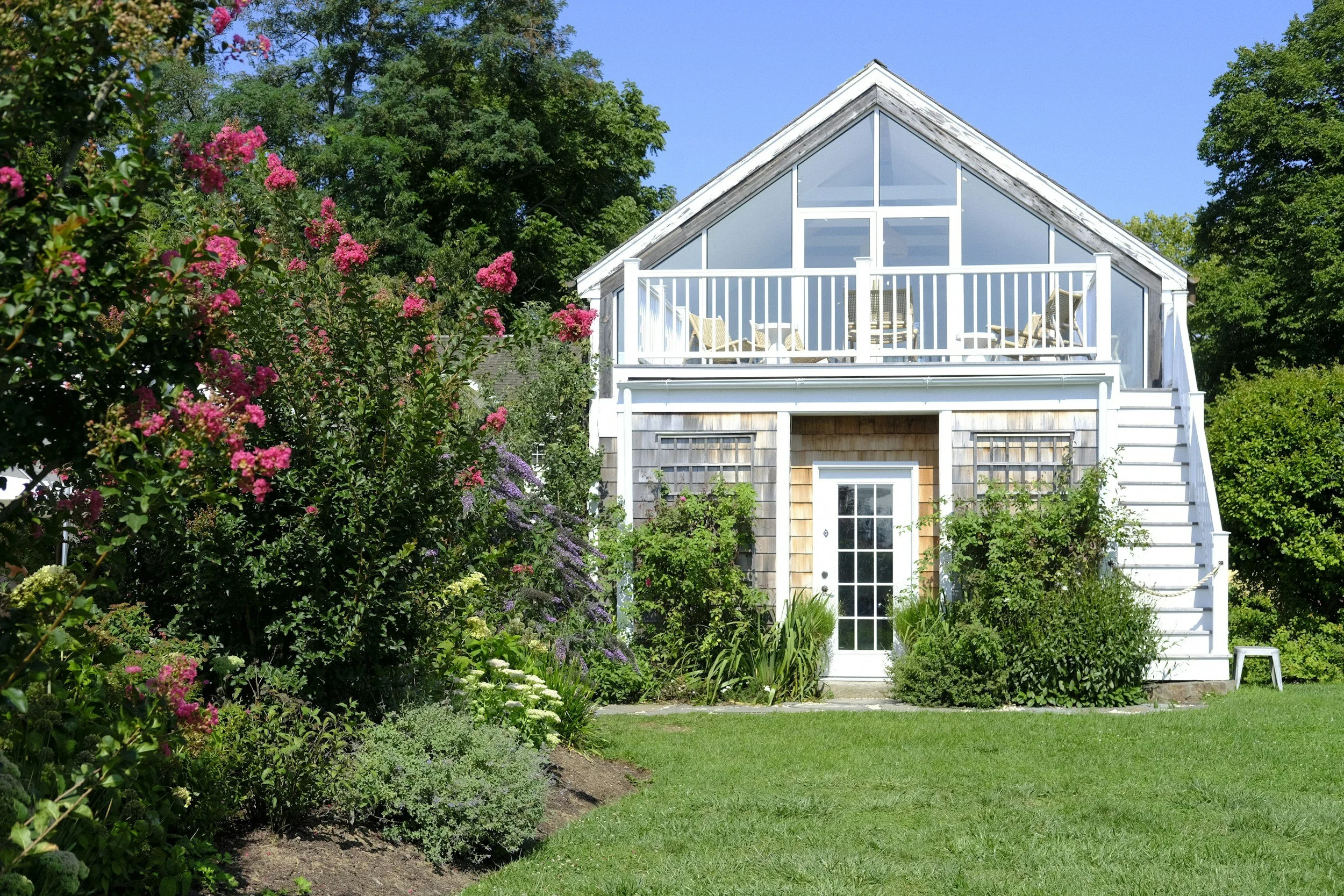
The biggest obstacle to building an ADU or in law suite is not the construction itself. It is figuring out how to pay for it. Here is a practical guide to every financing option available to eastern NC homeowners in 2026, including two major federal policy changes that make ADU financing easier than ever.
You have done the research. You know an in law suite or ADU would solve a real problem for your family, whether that means housing aging parents, creating rental income, or giving an adult child a landing pad while they build savings. You have a general sense of what it costs. And now you are staring at a number somewhere between $80,000 and $250,000 wondering how you are going to make it work.
You are not alone. Financing is the single most common reason homeowners delay or abandon ADU projects. At Plank Construction, we see it constantly. A family gets excited about a project, we walk their property, discuss the possibilities, and then everything stalls because the money question feels overwhelming. The truth is, there are more ways to finance an ADU or in law suite than most people realize, and two recent federal policy changes have made it significantly easier to qualify. This post walks through every realistic option so you can figure out which path makes sense for your situation.
Start With What You Already Have: Home Equity
For most eastern NC homeowners, the equity in your existing home is the most accessible source of financing for an ADU project. If you have owned your home for several years or purchased at a price well below its current value, you likely have more borrowing power than you think.
A home equity loan gives you a lump sum at a fixed interest rate, secured by the equity you have built up in your property. You make predictable monthly payments over a set term, typically 10 to 20 years. This is the simplest option for homeowners who know exactly how much their project will cost and want payment certainty from day one. Most lenders require at least 15 to 20 percent equity in your home to qualify, and interest rates will be higher than your primary mortgage but significantly lower than personal loans or credit cards.
A home equity line of credit, commonly called a HELOC, works differently. Instead of a lump sum, you receive a revolving line of credit you can draw from as needed. This can be advantageous for construction projects because you only pay interest on the amount you have actually drawn, not the full approved amount. The trade off is that most HELOCs carry variable interest rates, which means your payments can fluctuate over time. For a construction project with a defined scope and timeline, this variability is manageable. For homeowners who are less comfortable with rate uncertainty, a home equity loan may be the better choice.
In eastern North Carolina, where home values are generally more moderate than in places like the Research Triangle or Charlotte, equity based borrowing works well because construction costs are also more moderate. A homeowner in Greenville or New Bern who has $150,000 in equity and needs $120,000 for an in law suite is in a strong position to use one of these products.
Cash Out Refinancing: When the Math Works
A cash out refinance replaces your existing mortgage with a new, larger one. You receive the difference in cash, which you can use to fund your ADU project. For example, if you owe $200,000 on a home worth $400,000, you might refinance for $300,000 and use the $100,000 difference to build your in law suite.
This approach makes the most sense in two specific situations. First, if your current mortgage rate is higher than today's rates, a cash out refinance lets you fund your project and potentially lower your monthly payment on the original loan at the same time. Second, if you have very high equity and a low remaining balance, refinancing can give you access to a large amount of capital at a favorable rate.
Where cash out refinancing does not make sense is when you locked in a low interest rate during the period between 2020 and 2022. Replacing a mortgage at 3 percent with one at 6 or 7 percent just to access construction funds would increase your monthly housing cost significantly, and a home equity loan or HELOC would likely be more cost effective because it leaves your original low rate mortgage intact.
Construction Loans: Built for Building
Construction loans are specifically designed for building projects. They work differently from standard mortgages because the funds are disbursed in stages, called draws, as the project progresses. You typically pay interest only during the construction phase, and once the project is complete, the loan converts to a standard mortgage or is paid off through a separate refinance.
Construction loans can be particularly useful when you do not have enough existing equity to cover a project through a home equity product alone. Because the lender evaluates the property based on its projected value after the ADU is added, you may be able to borrow more than your current equity would otherwise allow.
The process is more involved than a standard loan. The lender will want to see detailed construction plans, a firm cost estimate from your contractor, a timeline, and evidence that permits are in order. The lender will also conduct inspections at various stages before releasing each draw. This level of oversight actually benefits the homeowner because it creates accountability throughout the construction process.
In eastern NC, not every local bank or credit union offers construction loans tailored to ADU projects, so it pays to shop around. Regional lenders and credit unions often have more flexibility than large national banks when it comes to smaller construction projects.
Renovation Loans: FHA 203(k) and Fannie Mae HomeStyle
If you are converting an existing space like a garage, attic, or basement into an in law suite, renovation loans deserve serious consideration. These federally backed programs allow you to finance both the purchase of a home and the cost of renovations in a single mortgage, or to refinance your current home and roll renovation costs into the new loan.
The FHA 203(k) program is particularly relevant for eastern NC homeowners because it has lower credit score requirements and down payment thresholds than conventional loans. Under the Standard 203(k), you can finance substantial renovation work including structural changes, room additions, and ADU conversions. The program does require the use of a HUD approved consultant to oversee the project, which adds a layer of process but also provides quality oversight.
The Fannie Mae HomeStyle Renovation loan offers similar benefits with fewer restrictions on the types of improvements you can make. It also allows you to borrow based on the projected after renovation value of your home, which means you can often access more funding than your current equity alone would support.
Both programs are well suited to garage conversions and other projects where you are working within an existing footprint, which tends to keep costs lower and timelines shorter than new construction.
The Game Changer: ADU Rental Income Now Counts
This is the part most homeowners do not know about yet, and it could be the single most important development in ADU financing in recent years.
Both FHA and Fannie Mae have updated their guidelines to allow rental income from an ADU to count toward your qualifying income when applying for a mortgage. This is a fundamental shift in how lenders evaluate ADU projects, and it directly benefits homeowners who plan to rent out their ADU.
Under the updated FHA guidelines, lenders can include 75 percent of the estimated rental income from an existing ADU when qualifying a borrower for an FHA insured mortgage. For homeowners using the 203(k) program to build a new ADU through a garage or basement conversion, 50 percent of the projected rental income can be included. This means the ADU you are building can actually help you qualify for the loan to build it.
Fannie Mae followed with its own update in October 2025, allowing projected ADU rental income to count toward mortgage qualification on one unit primary residences. The amount is capped at 30 percent of the borrower's total qualifying income, and documentation requirements include either an existing lease or a comparable rent schedule from an appraiser showing fair market rent.
For eastern NC homeowners, this changes the math considerably. If your planned ADU could generate $1,000 to $1,500 per month in rental income, based on market rates in communities like Greenville, New Bern, or Jacksonville, that additional qualifying income can meaningfully expand how much you are able to borrow. It transforms the ADU from a pure expense into a recognized income producing asset from the perspective of the lender.
Do Not Overlook VA Grants
Eastern North Carolina has one of the highest concentrations of veterans in the state, particularly in the Camp Lejeune and Cherry Point corridor. If you or a family member is a veteran with a service connected disability, the VA offers housing modification grants that can fund significant portions of an ADU or aging in place project without requiring repayment.
The Specially Adapted Housing grant provides up to $126,526 for fiscal year 2026. The Special Housing Adaptation grant provides up to $25,350. And the Home Improvements and Structural Alterations grant is available even for non service connected disabilities, providing up to $6,800 for eligible veterans enrolled in VA healthcare.
We covered VA housing grants in detail in a recent Plank Post. If this applies to your situation, that post is worth reading before you begin planning your project.
Combining Strategies
The homeowners who navigate ADU financing most successfully are the ones who think creatively about combining sources. A veteran might use a VA grant to cover accessibility features while financing the remaining construction through a home equity loan. A homeowner with moderate equity might use a HELOC for initial construction costs while planning to refinance into a conventional mortgage that recognizes the ADU's rental income once the unit is complete and leased.
Your contractor and your lender should be part of the same conversation early in the planning process. Lenders need accurate construction estimates to approve financing, and contractors need to understand the financing structure to build realistic timelines around draw schedules and approval milestones.
At Plank Construction, we work with homeowners to develop project estimates and documentation that support the financing process. We have seen what lenders in eastern NC require, and we build our proposals to provide exactly the level of detail they need to move forward confidently.
What to Do Next
If you are considering an ADU or in law suite and financing is the piece that feels uncertain, here is a practical starting point. Begin by understanding how much equity you have in your current home. Your most recent mortgage statement and a general sense of your home's market value will give you a rough number. Then consider whether you plan to rent the ADU or use it for family. That decision will shape which financing products make the most sense and whether the new rental income qualification rules apply to your situation.
From there, talk to a contractor and a lender in parallel, not sequentially. Getting a realistic construction estimate and a clear sense of your borrowing capacity at the same time allows you to make informed decisions rather than guessing. Too many homeowners get quotes from contractors before talking to lenders, or get prequalified for financing before understanding what their project will actually cost. When those two numbers do not align, the project stalls. Starting both conversations early avoids that outcome.
At Plank Construction, we offer complimentary consultations that include a property walkthrough, a discussion of your goals, and a preliminary cost range for your project. That information is exactly what a lender will ask for when you sit down to discuss financing. Contact us to get started.
Plank Construction specializes in ADU construction, in law suites, and aging in place modifications throughout eastern North Carolina. We provide transparent pricing and detailed project documentation that supports the financing process from initial consultation through construction completion. Visit Plank Posts at plank-construction.com/plankposts for more information on ADU development, construction costs, and multigenerational housing solutions.